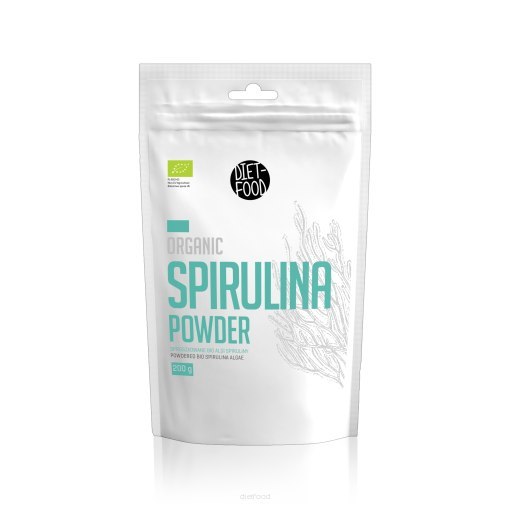
Spirulina-The Superfood That Changes the Body
What is spirulina? Spirulina is a type of blue-green algae that grows naturally in freshwater lakes and rivers, especially in regions with a tropical climate. It is one of the oldest life forms on the planet and has been used for centuries as food due to its rich nutritional composition. Its name comes from the spiral shape of its microscopic strands.
Spirulina is gaining popularity as a dietary supplement due to its high content of proteins, vitamins, minerals, and antioxidants. It is often called a "superfood".
Spirulina is mainly available in powder or tablet form, which makes it easy to integrate into a daily routine. It has a slightly earthy taste, which can be easily masked by mixing it into juices, shakes, smoothies, or other dishes.
Spirulina contains a rich array of nutrients necessary for good health. One of its biggest advantages is its high plant protein content – about 60-70% of its weight, making it ideal for vegetarians and vegans.
Besides protein, spirulina is rich in vitamins A, B-complex (especially B12), C, and E. It contains important minerals like calcium, magnesium, iron, and potassium, which are key to maintaining healthy bones, muscles, and good blood circulation.
It is also an excellent source of powerful antioxidants like phycocyanin and beta-carotene. These substances help neutralize harmful free radicals that can lead to chronic diseases and accelerated cellular aging.
Furthermore, spirulina contains essential fatty acids like omega-3 and omega-6, which are important for brain function and heart health. Its unique composition contributes to the overall strengthening of the immune system and energy metabolism.
Health Benefits of Spirulina Spirulina has numerous health benefits that are backed by scientific research, although some of them are not yet fully proven in humans. Among the most well-known are:
-
Boosting the immune system: It contains antioxidants and vitamins that can support immune function, but the evidence in humans is not fully conclusive. Some animal studies show a positive effect on the immune system, but data for humans is still limited.
-
Improving cardiovascular health: It helps lower the levels of "bad" cholesterol (LDL) and triglycerides.
-
Blood sugar regulation: It is useful for people with diabetes as it supports blood sugar control.
-
Improving digestion: It contains nutrients that can support the normal function of the digestive system, but data on its effects regarding gastritis and ulcers are limited.
-
Detoxification: Spirulina shows the potential to bind with heavy metals (e.g., lead, arsenic) and assist in their removal from the body, according to animal studies. However, to confirm these effects in humans, additional clinical trials are needed.
Another clinical study shows that a two-month intake of spirulina (2 g/day) in patients with type 2 diabetes leads to a significant reduction in blood sugar levels both fasting and post-meal, as well as HbA1c (Glycated hemoglobin), indicating improved long-term blood sugar control.
How and when to take spirulina
The recommended daily dose of spirulina varies between 1 and 3 grams, but in some cases, higher doses can be used. If you are taking this supplement for the first time, start with a lower dose and increase it gradually. Most often, spirulina is taken in the morning, as it has a mildly invigorating effect in some people and can help with concentration during the day. Although it does not contain caffeine and does not act as a stimulant, evening intake can affect sleep in more sensitive individuals. It can be consumed with water, added to a smoothie, or combined with food, keeping in mind the importance of respecting the recommended daily dose. Many people ask themselves the question, "how long should spirulina be taken?" – a good option is to take it in cycles of 1 to 3 months, followed by a break of 2-4 weeks.